





In July 2024 the site lost 8,695 users against June, a drop of 11%, in the middle of the wedding season the business runs on. Before anything moved in either account, we split the loss by channel and by page. About 2,547 of those people were paid traffic, worth $250 of Google and $297 of Meta spend difference, and about 6,148 came from organic search and direct. That told the client where the problem was not, and it stopped the obvious reflex of buying the traffic back at a cost per click that had just risen 30%. The work that followed went into bridal search terms, a separate retargeting build and a published creative standard. By September, Google attributed conversion value had gone from $17,000 to $26,000 on $200 more spend.
Key results.
The recovery is measured on platform-attributed conversion value across August and September 2024, Google on 28-day click and Meta on 7-day click plus 1-day view, so read it as attributed value and not as store revenue.

Challenge
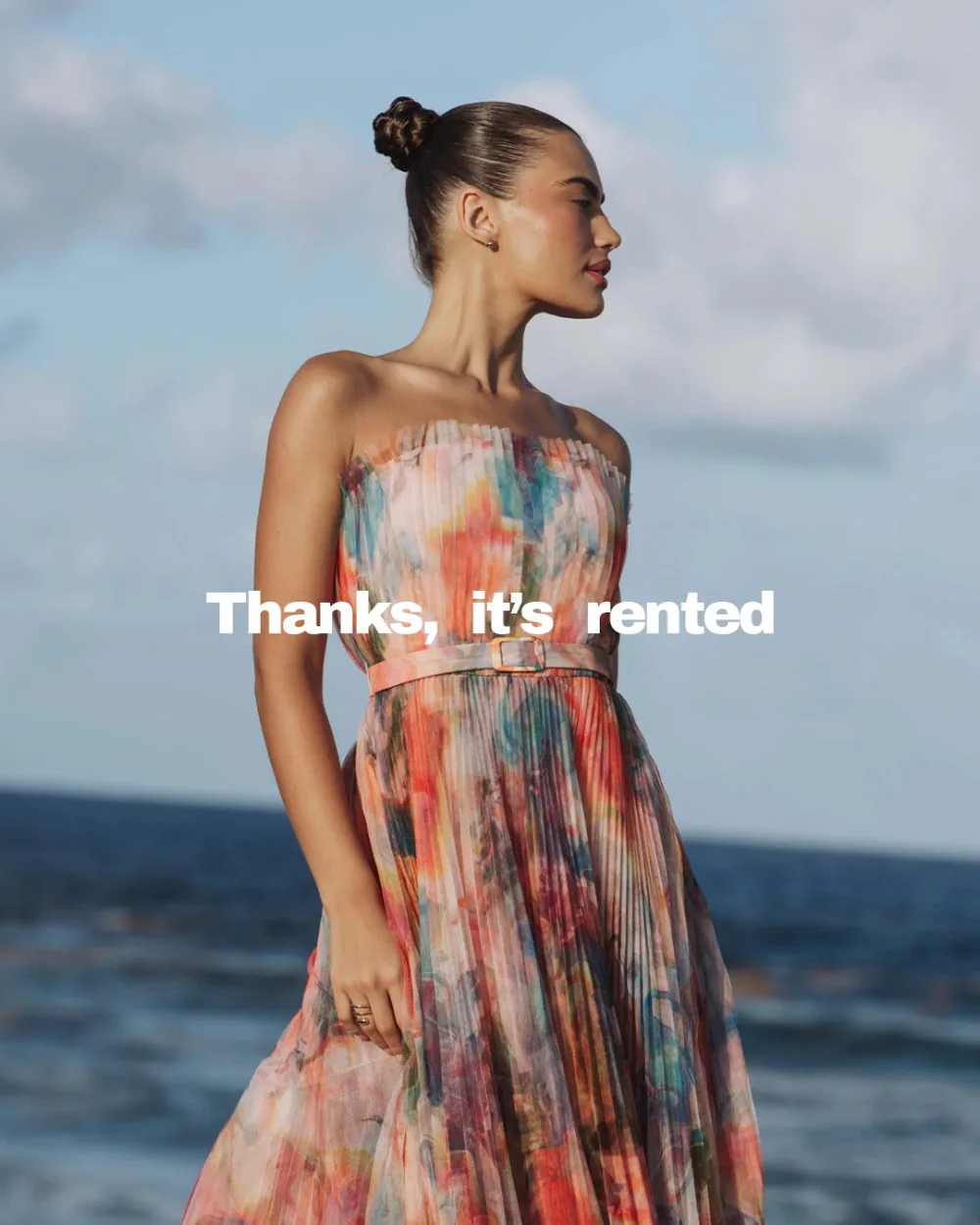
The Fitzroy rents formal and occasionwear out of Toronto, with a Shopify storefront and a physical store. Demand arrives with events, so the calendar is wedding season, gala season around the Toronto International Film Festival, the Taylor Swift Eras Tour, holiday parties and New Year’s Eve. In July 2024 traffic went the wrong way. The site was down 11% against June, 8,695 fewer users, and the loss sat on the pages that pay for the year: wedding-guest page views were down 57%, in the middle of wedding season. The client’s read on the call was that interest had not gone anywhere, so what was it.
Google was getting harder at the same time. Spend fell from $3,000 in June to $2,150 in July, cost per click rose about 30%, and clicks collapsed from roughly 4,200 to about 2,000. Headlines and descriptions were checked and ruled out. What was left was auction pressure: more advertisers bidding the same keywords and everybody paying more. Meta spend also drifted down over the same two months, from $1,486 to $1,250.
The decline spanned organic search, direct, paid social and paid search at once. Direct fell hardest in percentage terms and is the one bucket nobody can attribute, which Simon called the biggest joker in the whole question. The client’s own team could not see their ads or reels in feed and suspected Instagram was suppressing organic reach.
Targeting was also wrong for the way people buy a rental. The client corrected it on the call: people who follow the brand often have no event yet, so followers and past customers are two different audiences with two different jobs, and the follower audience needs reminding when an event finally appears.
Solution
Step #1 Establish which channels actually lost the traffic.
We built a page-level and channel-level view from GA4 and both ad platforms and screen-shared it as a deck, so the split was visible rather than asserted. About 2,547 of the missing 8,695 were paid, and the entire paid spend difference behind them was $250 on Google and $297 on Meta. About 6,148 were organic and direct. Buying that back was not the answer, and the money went into targeting and creative instead.
Step #2 Rebuild targeting around when intent appears.
We split engaged audiences from existing customers after the client’s correction, and built a dedicated retargeting campaign with its own creative for website visitors and followers rather than asking prospecting to carry it. On Google we stopped bidding on generic head terms that organic already won, opened age targeting down to 18 to 24 with performance as the gate, and moved onto bridal dress terms. Simon later named that bridal move as a main driver of the September lift.
Step #3 Put a published standard on creative.
Hook ratios were averaging around 30%, which is the level Simon classes as bad, and one-second retention was under his 90% bar. The standard we published to the client was: one-second retention above 90%, hook ratio above 40% good and above 50% excellent, under 30% bad. Then test the visual first, then the hook, then audio and text overlays. Spend followed an 80/20 rule, 80% on perfecting proven winners and 20% on new concepts, argued from marginal returns rather than taste. Winners were replicated rather than reinvented: same setting, same script, same hook, different model and different dress. Carousels got pushed harder because they were the account’s top format against a category norm of roughly 8% of performance, and the ad library was audited and pruned three times across the engagement.
Step #4 Plan the season, then manage the cut.
Q4 2024 was built as a calendar: gala season in October, the Eras Tour from 1 to 21 November, holiday parties from mid-November to mid-December, and a New Year’s Eve collection built by around 20 November. In December the client asked to pull back for the off-season. We argued about the mechanics rather than the decision, cutting the worst performers first instead of trimming everything, took Meta from about $1,500 a month to $750, halved Google, kept the top 7 Meta ads and cut anything spending trivially, and rewrote the holiday text on evergreen winners so they could keep running past the season.

Results


Book a discovery call about your business goals



- ✓Non-binding introductory meeting
- ✓Explore your growth potentials
- ✓Talk to our experts