

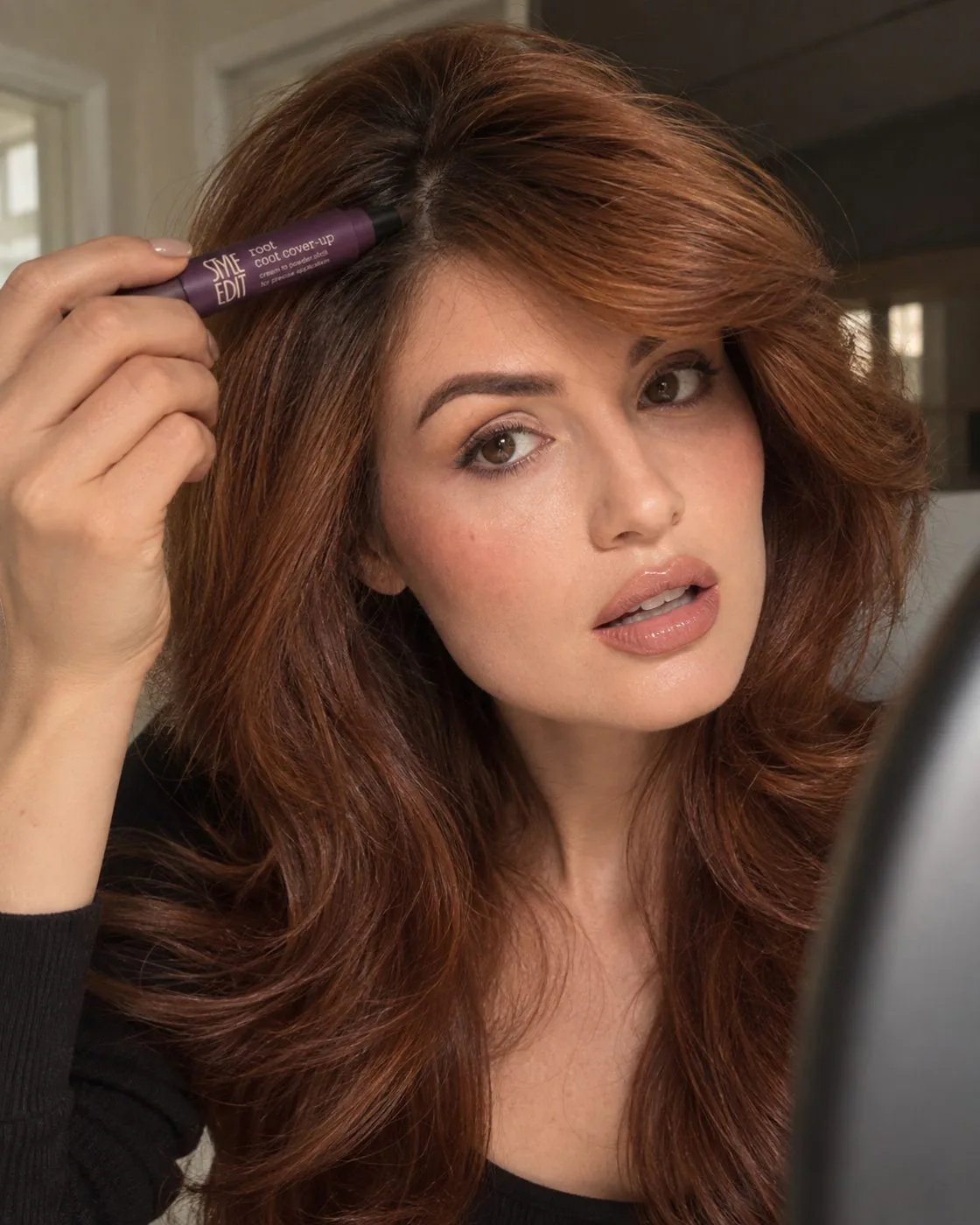






Growth Mate ran one channel for Style Edit and kept finding the constraint somewhere else. The work that changed the most was the Google audit nobody was paying for, the campaign we told them to pause, and the audience tests we told them to stop buying.

Key results.
Nineteen months on Meta ended above the client’s break-even and below the target they had set.
Challenge
Style Edit sells root concealer sprays, powders and sticks, a consumable people re-buy. The client put gross margin at roughly 80% to 90%, pending confirmation of shipping and fulfilment, which puts break-even near 1.1x to 1.4x. The account was managed to 3x. Simon asked for cost of goods from November 2024 and did not get a number until 9 June 2025. For a year, spend was throttled to protect a target nobody had derived from the P&L.
The real ceilings were outside Meta. Hero SKUs were out of stock through Q4 2024. The monthly budget had been about $3,000 and was cut to $1,500, too little to split across a test. Creative supply belonged to the client and did not keep up: three of ten creator videos performed, and by August 2025 a single creative was taking 89% of spend.
The store leaked at the bottom. Add to cart ran 20% to 21% but only 2.6% completed, on a site converting at 1.6% against the roughly 3.5% Simon put as the category norm. Google was run by another agency on a $1,200 a month flat fee. Attribution was broken before any of it, with the Triple Whale UTM parameters disconnected.
Solution
Step #1 Fix the measurement, then start refusing things.
The Facebook UTM parameters went back in first, so the numbers meant something. Meta’s own account manager recommended traffic campaigns and we declined, because that budget buys clicks and no purchases. Cost cap bidding went in as a live lever rather than a setting, tuned from 15.5 down to 13.5 to protect return and later up to 16 to unstall halted campaigns.
Step #2 Audit the channel we were not running.
In May 2025 we audited Style Edit’s Google Ads account, outside scope and not billed. The read was blunt enough that Simon asked the client outright whether the previous agency had been trying to damage the account. Style Edit replaced that agency. We proposed $2,500 a month plus a performance fee and the owner gave Google to a third agency instead.
Step #3 Test structurally, then kill what lost.
September 2025 ran a split-test programme at roughly $80 per ad set across landing page (the product page against the all items collection against a bundle), age segment and placement. The all items collection page beat product and bundle pages. Dynamic Product Ads beat video on return, so we built a catalogue-only campaign and put DPAs into retargeting.
Step #4 Say no to our own best campaign, then hand the account over.
In June 2025 the account went from about $200 to $1,200 in two weeks and return moved 3.0 to 2.7, more absolute profit at lower efficiency. Then the video carrying most of that spend turned out to be running without confirmed creator usage rights, so we told them to pause it and fall back from about $550 a day to $150 to $200. At the November 2025 debrief we told them broad had beaten every audience test we had run, and argued the two stable campaigns should stay on because they made money once our fee came out. They switched them off.
Results


Book a discovery call about your business goals



- ✓Non-binding introductory meeting
- ✓Explore your growth potentials
- ✓Talk to our experts