









Wield VR arrived with a revenue target attached to grant funding and a business running roughly 40% behind the previous year. The first job was growth, and December month-to-date came in 30% ahead of December 2024. The second job was the opposite of the first. In January the founder changed the goal from revenue to profit, so we set a 2.1x return guardrail and enforced it against our own managed spend, taking Meta from about EUR 1,000 a day to EUR 322 a day in three days, then rebuilding the account underneath the smaller number until Meta returned 3.4x and Google Shopping 4.66x.

Key results.
A falling revenue line reversed inside the first two months, then held above the profit guardrail on both platforms at a deliberately smaller spend.
Challenge
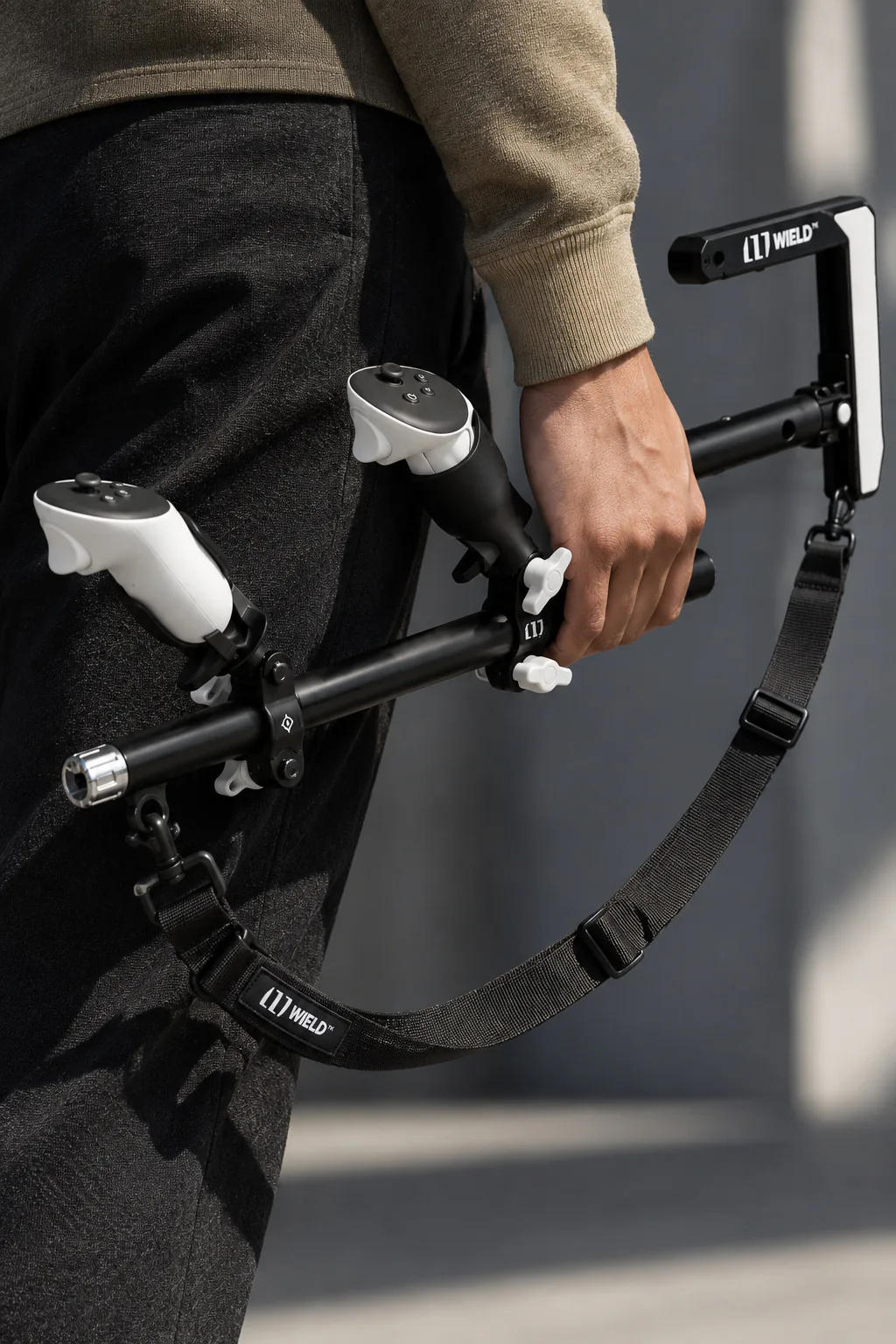
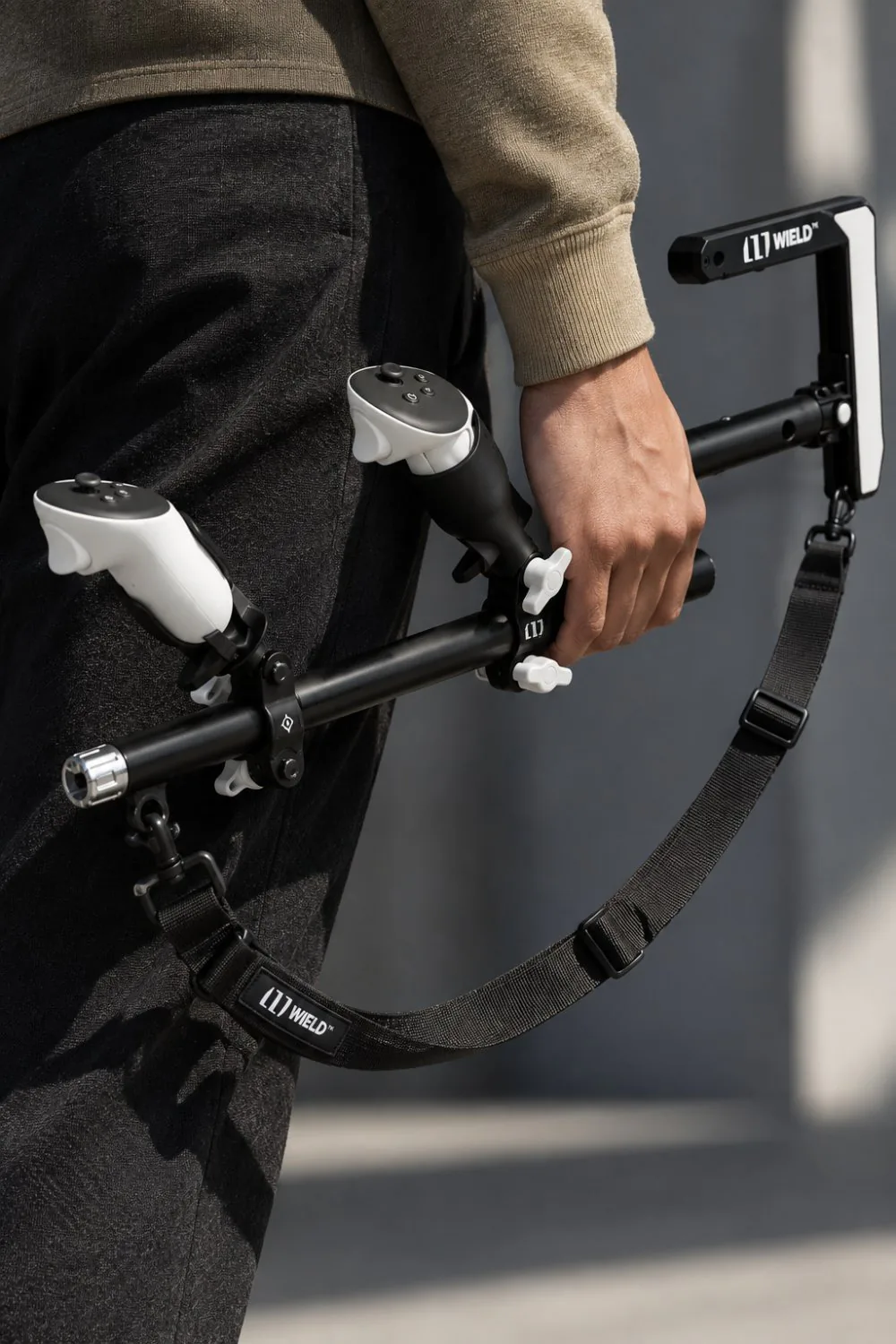
Wield VR sells VR gun stocks and controller attachments out of Finland into the EU, US, UK and Australia. When we took the accounts in November 2025 the company had a dated revenue goal on it: 1M USD over four months, on approximately 312k USD of ad spend at a projected 3.2x blended return, a 2.38x increase on the prior year, needed to satisfy a Business Finland grant carrying revenue-growth milestones. Revenue was not flat while that goal sat there. It was falling, running roughly 40% behind the same months a year earlier. Conversion rate was unstable, above 2% at peak and around 1% off peak, and growth had been chased with discounting rather than offer design.
The handover itself was awkward. An incumbent agency was working a 30-day notice period and ran the 7 November Black Friday VIP campaign, so we built the new structure in the background rather than tearing anything down mid-season. There was no web developer in the business, the founder was doing Shopify development himself, and creative supply, not media buying, was the thing holding launches back.
Underneath the ad account the economics were worse than the ad account could see. US fulfilment came in at roughly double the quoted per-unit cost, which alone pushed contribution margin negative and made campaigns that looked acceptable on return unprofitable in cash. A 50-day lead time on metal pipes cut the OneStock S pre-order from 3,000 units to 2,000. Klaviyo held five competing abandoned-cart flows, one of them off-brand enough to be doing damage. On Amazon, 90% of sales were going to a partner store because of a single 1-star review left on Wield’s own listing after a 2023 account suspension.
Solution
Step #1 Build the plan, then the two accounts.
The four-month revenue plan was delivered inside the week it was asked for, because the founder needed it to pitch his bank for a bridge loan. Meta went onto a Swim Lane structure with prospecting at roughly 80% of budget, plus retargeting, catalog retargeting, retention and scale, and a Broadpack testing system that isolated each creative concept in its own ad group so a concept could graduate on its own signal. Google was built to five lanes: Branded Search optimised to a 95% impression-share target, Non-Brand, Shopping, Performance Max and Display Remarketing, with a French-language conquest campaign against a competitor and a TriAxis pre-order campaign. The December offer ladder was rebuilt around a free-shipping threshold and a free-gift threshold above it, and an add-on upsell was cut after a test showed a coupon drove 50% more sales on a low-cost item. The 88 customers who had already paid the earlier amount were refunded the difference.
Step #2 Change the goal, then cut.
In January the founder moved the goal from top-line revenue to profit. On that call we said plainly that we had been optimising for maximum revenue at low or negative profit because we believed that was the brief, and that failing to understand it was our fault. Then we set a 2.1x guardrail and enforced it: Meta pacing went from about EUR 1,000 a day to EUR 322 a day over three days, legacy ads still advertising a pre-order that no longer existed were paused and freed 2,100 USD of weekly budget, and the account was consolidated from 23 campaigns to two so the smaller budget still carried enough conversion data to optimise on.
Step #3 Read the channel relationship and move the money.
Branded search was returning 18x in early December and 33x on 16 purchases late in the month. That is not an account-level result and we never reported it as one. It is evidence: Meta was creating the demand and Google was collecting the purchase. So budget followed the read, from a 75% Meta and 25% Google split in November to 18% Meta and 82% Google by late February. Blended return over the last two weeks of January moved from about 1.9 to about 2.5, from below the profit benchmark to above it.
Step #4 Rebuild the creative under the smaller budget.
Statics had begun beating video for this brand from November onward, so late January took about 30 new statics and early February took more than 70 new creatives into test. Two other things got fixed that were not ad problems at all. A below-average Meta conversion-rate ranking, sitting next to an above-average engagement ranking, was written up as an on-site problem rather than a creative one. And 26,000 USD of unredeemed holiday gift cards, which would have been deducted from the revenue reported to Business Finland, were converted to vouchers with a founder letter, a redemption window and email suppression logic behind them.
Results


Book a discovery call about your business goals



- ✓Non-binding introductory meeting
- ✓Explore your growth potentials
- ✓Talk to our experts